Many couples underestimate how quickly wedding planning can go from anticipation to mental strain can lay eggs. From my Experience as a Wedding Planner In Bavaria, being overwhelmed rarely shows itself as simply lacking time, but rather as conflicts, uncertainty, and too many decisions at once.
In this post, I'll show you, When a wedding planner is really useful, which tasks often run invisibly in the background and for which celebrations full planning, partial planning, or support on the wedding day are worthwhile.
Wedding Planner Bavaria: When Couples are Overwhelmed
The invisible challenges of wedding planning
Many couples, when planning a wedding, first think of the visible aspects: Flowers, colours, stationery, Pinterest ideas and a lovely flow. What really makes the difference later on, however, are the decisions that nobody sees on Instagram. Who speaks to which service provider and when? What happens when the schedule slips? Who makes decisions on the wedding day when multiple things are happening at once?
I am intensely involved with Flowcharts, Contract reviews, the Communications with Service providers, the Budget monitoring and the planning of Buffering times as well as solutions for unexpected problems.
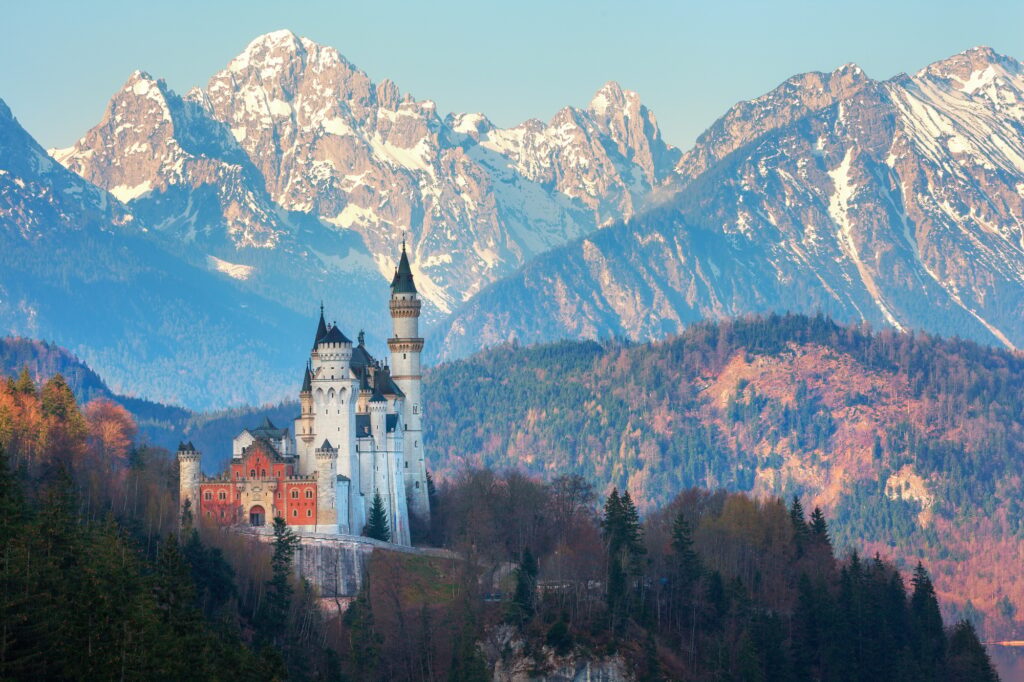
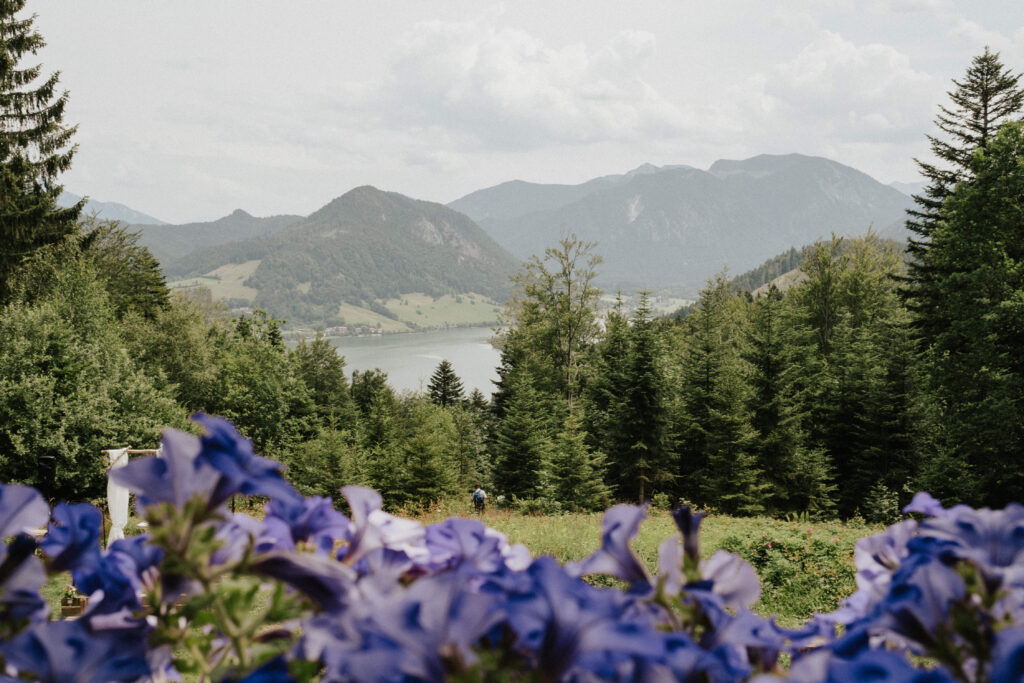
In particular with Weddings in Bavaria This organisational aspect is often underestimated. Many locations in Bavaria appear uncomplicated at first glance: a country estate, a barn, a mountain hotel, a lakeside, or a vineyard. They are immediately romantic. However, their complexity in planning often only becomes apparent later – regarding deliveries, closing times, technical requirements, shuttle routes, rain contingency plans, or the question of who will truly keep an overview on the wedding day.
What is crucial here:
- Shuttle planning
- Power supply
- Technology, closing times
- Volume restrictions
- Rain plans
Many couples only realise late on that an attractive setting doesn't automatically guarantee a smooth wedding day. Especially just a few months before the wedding, often between three and five months, it can lead to a Mood change then many aspects come together at the same time, deadlines are approaching, and anticipation turns into being overwhelmed.
Most people underestimate how many small decisions go into a wedding:
- When does the dinner start?
- Is the service staff really sufficient?
- Das beste Licht für Fotos ist normalerweise kurz nach dem Sonnenaufgang oder kurz vor dem Sonnenuntergang, wenn das Licht weicher und wärmer ist. Dies wird oft als "goldene Stunde" bezeichnet. Mittagslicht ist oft zu hart und kann Schatten erzeugen.
- How long does the transfer from reception to food take?
- When should the music start to set the right mood?
- How much time should there be between the ceremony and dinner to avoid awkward downtime?
- Do you need a plan B for bad weather, or is „it'll be fine“ really sufficient?
- Who actually takes care of ensuring all suppliers are at the right place at the right time on the wedding day?
Every single question sounds harmless at first, but it's precisely these constant decisions that become extremely tiring over time.
If you find yourselves going in circles with these exact questions or realise that the many decisions are starting to overwhelm you, you are absolutely not alone. It is often at this exact point that a professional, external perspective can help. In a Free, no-obligation consultation Let's review your current plans together, clarify any outstanding questions, and figure out what support would be truly beneficial for you — whether that's full planning, partial planning, or just assistance on the wedding day.
Why opinions and decisions often lead to arguments
Couples often don't realise they need help because they don't have time. Rather, they notice it when every decision Potential for dispute provides. This is usually not because they are not a good fit, but because they have to make decisions parallel to their jobs and daily lives for which they lack experience. While one thinks emotionally and in a family-oriented way, the other often works more practically and budget-related. Without a clear, coherent theme, what should be a pleasant planning period can quickly become something that drains more energy than it provides.
I often find that medium-sized weddings with 40 to 80 guests particularly underestimated They are often too big for a relaxed „we'll do it ourselves“ approach, but at the same time not so big that couples automatically consider professional processes.
Furthermore, family dynamics often lead to more emotional strain than the organisation itself. Divorced parents, international guests, cultural differences or strong opinions from friends and family can quickly lead to tensions. It is precisely in such moments that an external wedding planner is valuable because she Decisions organised, priorities made visible, and pressure taken out of the situation.
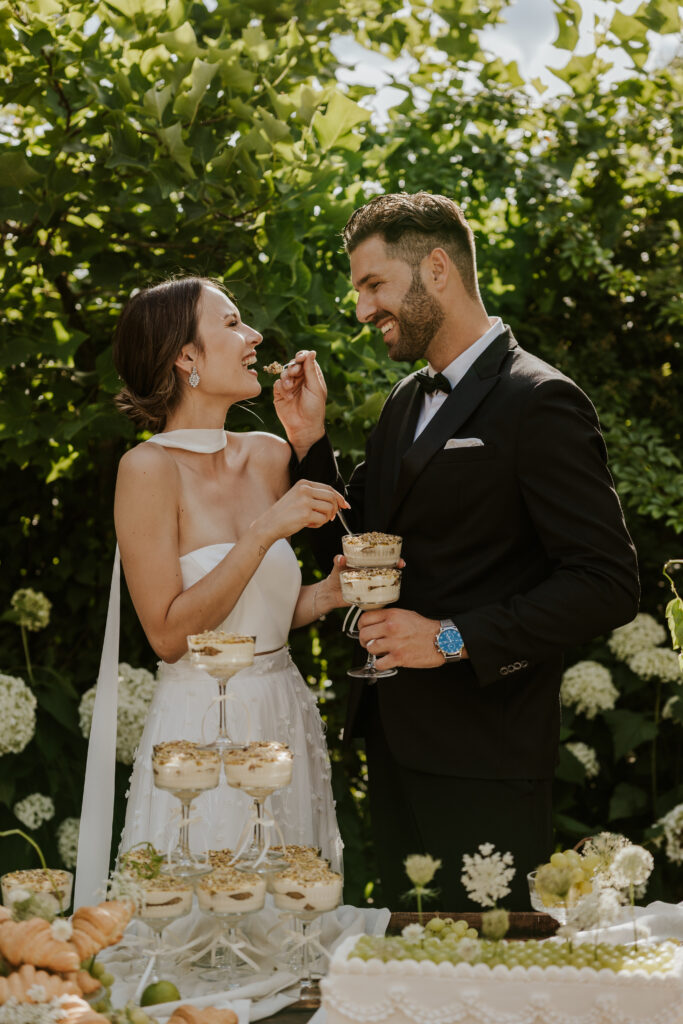
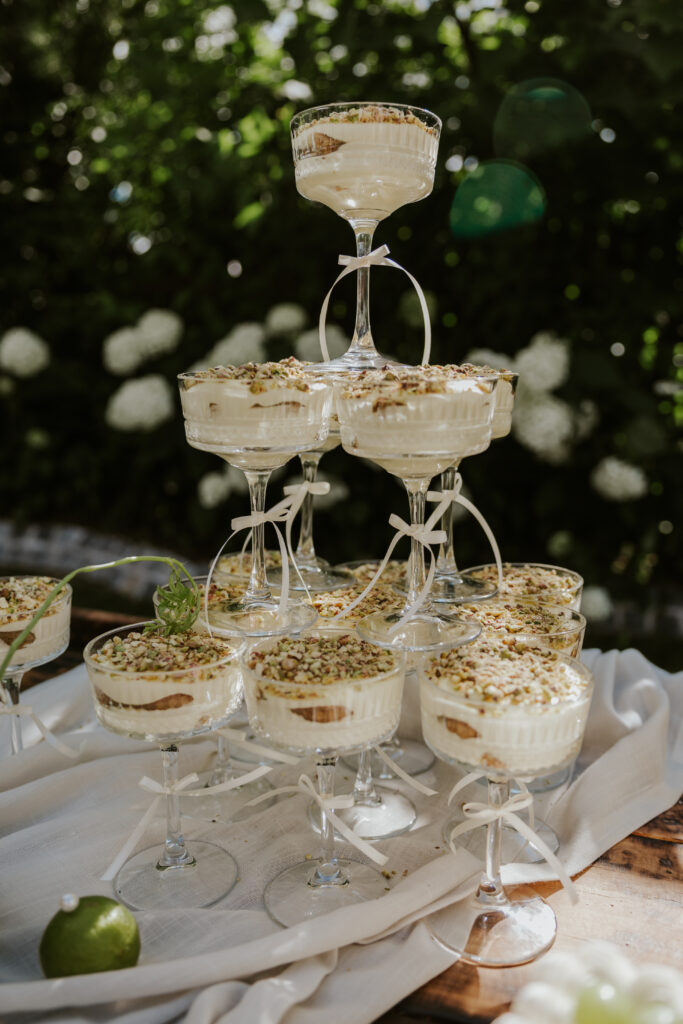
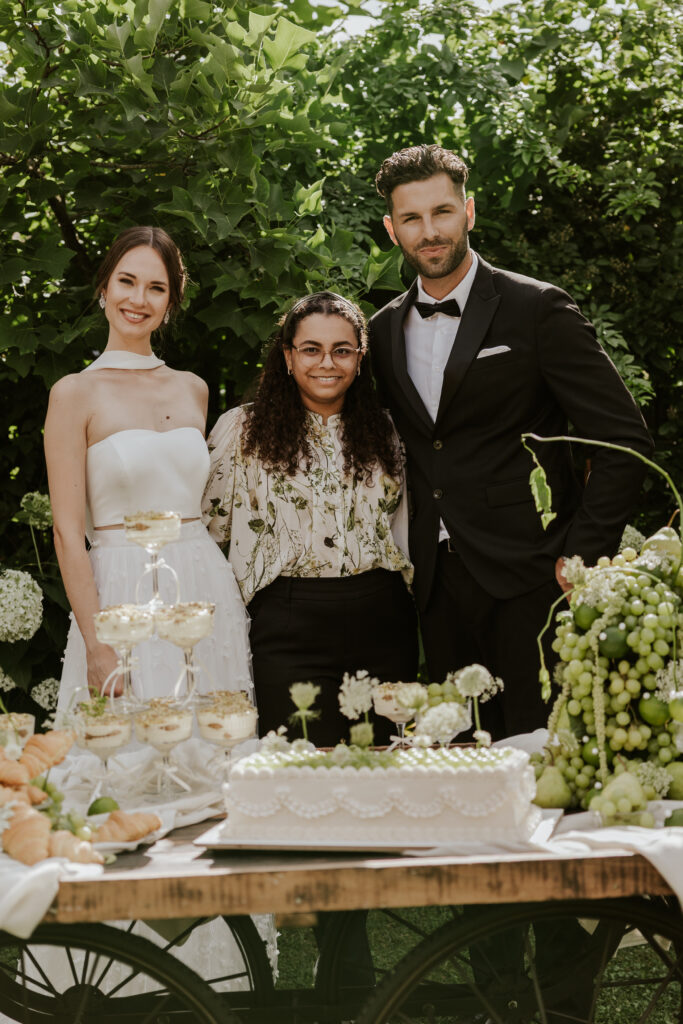
Typical situations where a wedding planner can help
From conflict management to service provider coordination
One Wedding planner supports not only in big concepts, but especially in moments where Structure required It starts with realistic budget prioritisation and ends with the coordination of all stakeholders. Good planning doesn't always save money directly, but it helps to, expensive mistakes to avoid. An emotionally chosen venue with too small a dance floor, an unsuitable service provider, or an unrealistic timetable can often cost significantly more later on than professional support.
The importance of crisis management in unpredictable moments
If a florist falls through, the cake gets stuck in traffic, a DJ cancels, or the food is delayed by 40 minutes unnoticed, quick decisions, contacts and experience are required. The biggest challenges are often not the most obvious ones, but the Stillness problems, which cause the mood to sour because guests don't know where to go, because segments of the programme stall, or because responsibilities are unclear.
Without coordination, these questions automatically fall to the bride and groom. Where are the rings, when is the photographer arriving, who is informing the caterer, what happens if it rains? In such moments, many people only experience their own wedding half.
I therefore see my role not just as planning, but also as taking the pressure off the couple's shoulders. You can tell a good wedding planner when nobody notices how much has been resolved behind the scenes. Everything appears easy and relaxed because someone thinks ahead before problems become apparent.


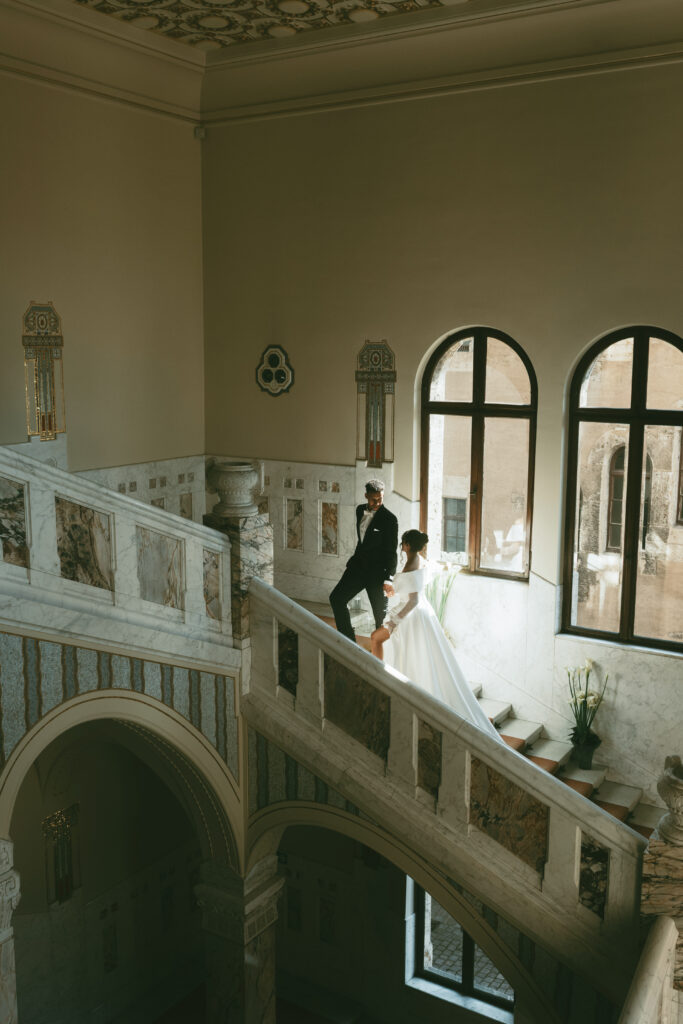
What a wedding planner does in detail
Full planning: If you'd like to have your wedding planning professionally managed from the very beginning
The Complete planning is primarily useful for you if you wish for a relaxed and structured planning period, without having to bear every decision alone. This is precisely where a wedding planner takes over the biggest organisational part and accompanies you from the very beginning until your wedding day.
This means, more specifically: Together you will develop a Coherent overall picture für eure Hochzeit realistic budget plan, seeks suitable locations and service providers out of, Keep offers and develops step-by-step a detailed daily schedule. At the same time, regular Planning discussions so that there is always clarity on decisions, priorities, and the current status.
This often includes topics that many couples initially consider separately. Especially when it comes to Wedding dress quickly shows how important a coherent overall concept is. The style, location, season, and atmosphere of the wedding should harmonize in the end. Therefore, it can be useful to seek professional guidance when looking for the right dress, for example, from an experienced bridal shop with personal advice.
For you, this means above all mental relief. Instead of always having to organise things yourself, you have someone by your side who keeps track of things, identifies risks early on and ensures that the planning remains structured. Especially when you're short on time, have high expectations, or value security, can a complete plan be extremely relieving.
Partial planning: If you've already started but need structure
Not every couple wants to hand over the complete planning. Many consciously want to organise certain things themselves but need support with more complex issues or would like more reassurance in the background. This is precisely what the Partial planning for your wedding Thought.
Here you share the planning together. You take on the areas that you enjoy or that are already organised, while the wedding planner specifically supports where experience, structure or contacts are lacking. This often concerns the search for service providers, planning the running order or coordination in the final months before the wedding.
For many, this is the perfect blend of self-organisation and professional support. Especially if you find you're short on time during the planning, decisions become strenuous, or the first few things don't go as planned. Partial planning brings structure back without you having to give up complete control.
Location scouting in Bavaria: When the right location is still missing
Searching for the right wedding venue often sounds easier at first than it actually is. Especially in Bavaria, there are countless possibilities, but this is precisely what often makes the decision difficult. Many spend weeks Googling, compare dozens of venues, and at some point realise that they still haven't really made any progress.
While Location scouting The wedding planner undertakes this exact process for you. First, your Wishes, priorities and criteria clearly defined together. After that, the targeted research of suitable locations, including availability checks and assessment of organisational framework conditions.
You will not receive random suggestions in the end, but a carefully selected range of locations, which really fits your ideas. At the same time, an experienced planner will pay attention to important details that many couples wouldn't even notice during a viewing. These include hidden costs, organisational restrictions, technical requirements, or unrealistic processes.
For you, this means above all Time saving, less overwhelm and security, not only emotionally, but also organisationally to make the right decision.
Wedding Day Manager: If you really want to experience your wedding day
Many people plan their wedding themselves and only realise shortly beforehand that the actual wedding day is a challenge in itself. Because even the best planning is of little use, if no one coordinates the processes on the day itself.
Exactly here comes the Wedding Day Manager into play. Already some weeks before the wedding A detailed daily plan has been drawn up together, service providers are being coordinated, and all important information is being collected.. From this point onwards, communication mostly takes place in the background via the planner.
On the wedding day itself, the Wedding Day Manager is the central point of contact for service providers, guests, the bridal party and family. She co-ordinates processes, checks final on-site preparations, keeps an eye on schedules, and resolves spontaneous problems before you even notice them.
For you, this means one thing above all: you no longer have to worry about organisation, but can truly experience your wedding. Instead of constantly answering questions or solving problems, you can enjoy your day with much greater emotional awareness.
Frequently asked questions about wedding planners in Bavaria
A wedding planner is worthwhile for couples who:
It is particularly worthwhile for Couples, who realise that decisions become exhausting. This applies not only to very large celebrations, but often also to weddings with 40 to 80 guests. Regardless of the number of guests, a venue scout or wedding day manager can be useful for you.
How do I find the right wedding planner?
For me, style isn't the first thing that counts. Instagram, but rather the working method, communication, and experience. They ask about concrete processes, crisis situations, budget understanding, and support on the day itself. You should feel taken seriously and not just superficially advised.
Can I have a successful celebration without a wedding planner?
Yes, that is absolutely possible. Not every wedding requires a Full planning. Small, informal celebrations with clear priorities are easy to organise yourself. The crucial thing is whether you enjoy organising it yourself and whether you accept that not everything Perfect A successful celebration doesn't depend on whether you have a planner, but on whether your planning suits **your needs**.
How much does a wedding planner cost in Bavaria?
It depends on Perimeter Full planning, partial planning, and day-of coordination differ significantly. In Bavaria, prices vary depending on experience, region, guest numbers, and complexity. It's important not to look at the price in isolation. The key is to consider what wrong decisions, stress, and mental load you can avoid as a result.
What if I only want partial planning?
Das kann oft eine" has several possible translations into UK English, depending on the context. Here are the most likely ones: * This can often be a * That can often be a * It can often be a sensible solution be. Many couples wish to maintain control or are already in the midst of planning. I step in where it becomes critical, such as with the event structure, coordinating service providers, or in the final months before the wedding. Especially when couples have already planned a lot themselves, it often becomes apparent that it's not the decor that's missing, but a viable plan. Partial planning is therefore not a compromise, but often precisely the proper support.
Conclusion: When professional wedding planning is the right decision
A wedding planner is not only worthwhile for luxury weddings or huge celebrations. In my experience, professional support becomes particularly valuable when the planning becomes mentally exhausting. When decisions are stressful, processes become unclear, or you realise that the organisation is taking more energy than joy.
In Bavaria in particular, many weddings are becoming more complex organisationally than they initially appear. Locations by the lake, in the mountains, on farms or at vineyards look beautiful, but often involve significantly more logistics than couples expect.
The biggest advantage of a wedding planner is therefore not just the look of the wedding, but the structure behind it. Someone who thinks along, spots problems early, coordinates processes and ensures that you don't just organise your wedding, but truly experience it.
And that's what it's all about in the end. Not about everything looking perfect, but about you being able to enjoy your day in a relaxed, present way and with a good feeling.